Decide what the recipient should notice first
Greeting cards and certificates are often kept because the message matters to the recipient. A card may express thanks or mark an occasion, while a certificate records a particular recognition. Start with that purpose and create a clear hierarchy. For a greeting, the message and personal note may lead; for a certificate, the recipient name and achievement need prominence. Decorative details should support those priorities rather than turning the piece into a crowded advertisement.
Test the template with difficult examples
A design proof should include more than a short sample name. Try a long recipient name, a lengthy award title and any multi-line organisation details that will occur in the actual order. Check line breaks, capitalisation, signature placement and spacing. For greeting cards, review both the folded view and the inside writing area. Make sure the message still reads naturally when personalisation is added. Proofing realistic variations early reduces the chance of discovering a layout problem after the full data list is prepared.
Confirm the words and their authority
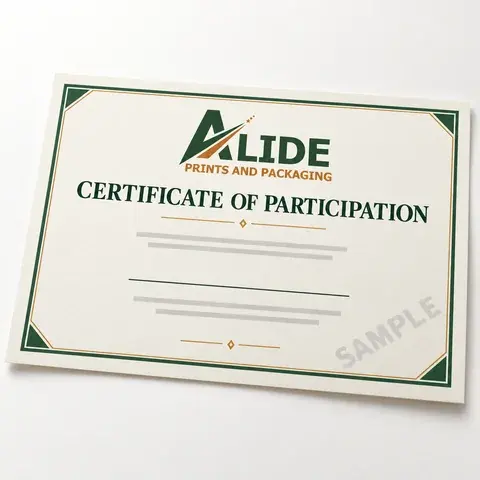
The issuing organisation should approve certificate wording, signatures, seals and any statement about the award or programme. A printed certificate does not itself create accreditation or verification. If a reference number or QR code is used, confirm the real record or webpage it points to and who will maintain it. For greeting cards, check names, dates, salutations and the intended tone carefully. Do not use a customer logo, official mark or personal signature without the appropriate approval.
Choose a surface for the intended use
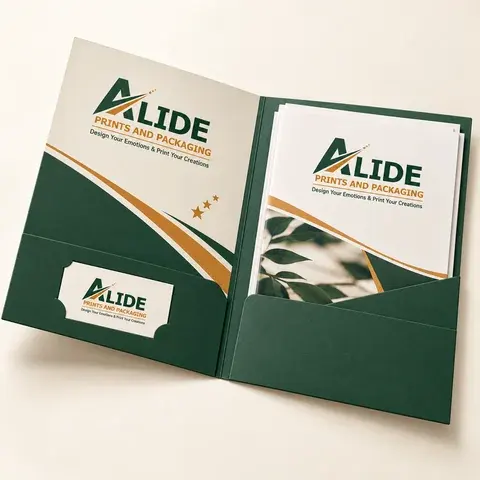
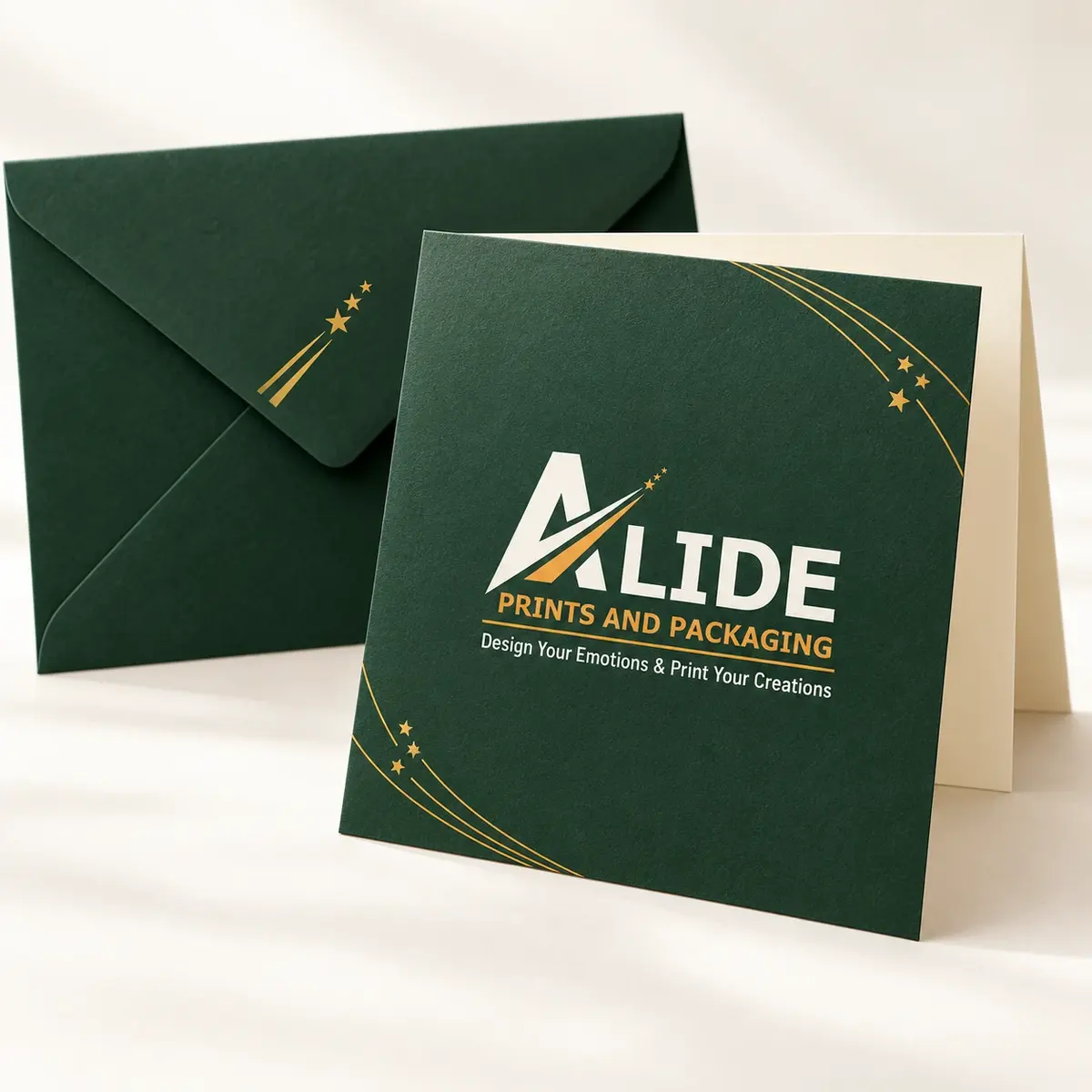
Tell the team whether the card or certificate will be handwritten, framed, put in a folder or mailed. A finish that looks decorative may not be suitable for the intended pen or writing area. Discuss paper feel, stiffness, crease direction and envelope fit around how the item will be handled. If embossing, foil or another embellishment is desired, identify the area and ensure it does not compete with important text or create an awkward fold.
Approve the data separately from the design
A polished template cannot correct an inaccurate recipient list. Keep a checked master file for names, titles and any variable references, with clear column headings and a version number. Agree how personal data will be shared and who approves the final list. Ask whether a representative sample or individual proof set is appropriate to the order. Record any corrections in the master data instead of leaving them only in a chat message, where they can be missed during production.
Complete the presentation brief
Include the card's flat and folded dimensions, certificate size, quantity per version, paper choice, print faces, finishing and any matching envelope or presentation folder. State the occasion date and delivery PIN code so feasibility can be confirmed. Review a final proof with the correct data and agreed construction before approval. Alide can discuss greeting cards and certificates as individual items or coordinated sets; material availability, samples, pricing and timing are confirmed against the actual requirement.
Turn the guide into a clearer brief.
Share the format, quantity, artwork status, intended use and destination PIN. Material suitability, pricing and schedule are confirmed in the quotation.
Discuss your requirement