Choose the right application
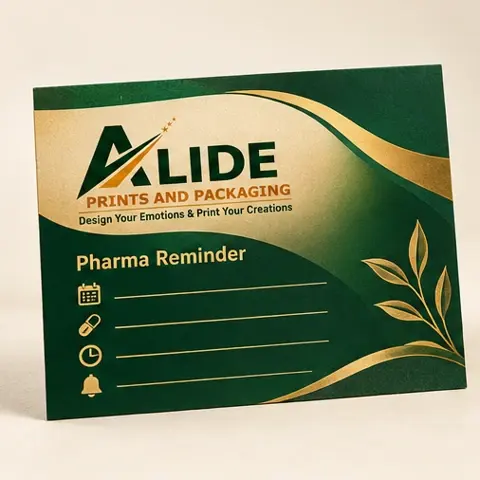
Doctor Prescription Pads can bring a consistent identity to a practical business touchpoint. Use only authorised practitioner and clinic details. Confirm sheet count, writing area, header size and any duplicate-copy requirement without pre-filling treatment or patient information.
Typical uses include: Clinic and hospital writing pads with approved doctor or institution details.
The value of this format comes from matching the design to its purpose. Custom Rx pads with authorised clinic details, clear writing space and paper and binding choices for everyday professional stationery. Plan the visible information, handling and presentation together so the finished item works for the people who receive it. A clearly agreed brief helps the sales and production discussion focus on the details that affect the result.
Organising approved healthcare communication
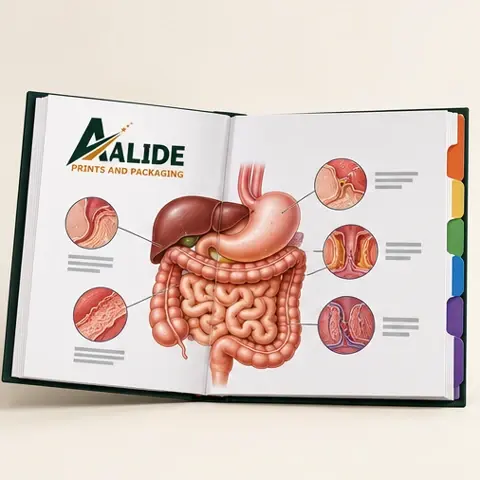
Pharma and healthcare materials should make the approved information straightforward to present or retrieve. Begin with the audience, the intended discussion and the content that has been signed off by the authorised team. Page order, headings and image placement can then support the communication. Keep references and important text legible, and identify artwork versions clearly so the correct approved content reaches production.
Matching the format to the field or desk
A field presentation, a reference leaflet and a counter book serve different tasks. Think about handling, writing, navigation and the amount of information needed at each touchpoint. Printed materials may need a physical dummy or paper sample; screen presentations need an agreed device, orientation and file format. The quotation should distinguish artwork services, print components and any separately proposed software or sourcing requirements.
Make the approved artwork work in the final format
Use only authorised practitioner and clinic details. Confirm sheet count, writing area, header size and any duplicate-copy requirement without pre-filling treatment or patient information.
Review the artwork at its finished size, including small lettering, image detail and the position of the logo. Identify each version clearly if the order includes different products, names, languages or layouts. For pharmaceutical or institutional communication, use content approved by the authorised team. Check the final proof against the agreed format and confirm corrections together before production begins.
Turn the details into a clear quotation
Start with the intended use, approximate quantity and artwork status, then share the product-specific information below. The team can discuss the undecided details with you. Material availability, minimum quantities, samples, price and scheduling are confirmed in the quotation, rather than inferred from an illustrative image.
For delivery enquiries, include the destination city and PIN, the required date and any packing or version-separation needs. Agree what is included in the order, who supplies the final artwork and how the proof will be approved. This gives both sides a useful reference for the finished specification and any repeat order.
- Material options
- Writing paper and backing to discuss
- Format & finishing
- Clinic identity; writing area; sheet count
- Your quotation brief
- Size; sheets per pad; paper; approved clinic details; quantity
Your next step
Tell Alide how you want to use doctor prescription pads. Share your artwork or a reference, and we can discuss a suitable specification and quotation.