Choose the right application
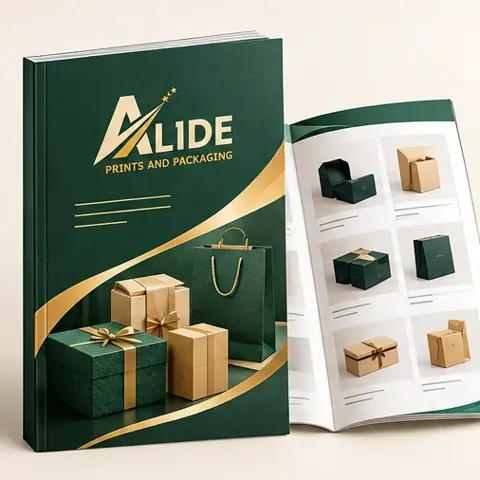
Book Printing can bring a consistent identity to a practical business touchpoint. Supply a complete paginated file and identify any colour sections. Spine width, cover artwork and binding allowance depend on the final paper and page count, so these should be confirmed together.
Typical uses include: Publishing and educational book formats with agreed pagination, stock and binding.
The value of this format comes from matching the design to its purpose. Book printing for textbooks, manuals, publications and corporate editions, with paper, trim size and binding planned around the final manuscript. Plan the visible information, handling and presentation together so the finished item works for the people who receive it. A clearly agreed brief helps the sales and production discussion focus on the details that affect the result.
Planning a complete publication
A book becomes easier to produce when the manuscript, page sequence and physical format are settled together. Confirm trim size, total page count, colour sections, illustrations and any blank or preliminary pages. A long publication may need different treatment for text pages and image-heavy sections. Review a complete paginated proof so running heads, numbering, contents references and section openings are checked in context.
Choosing paper and binding for the reader
Paper influences opacity, bulk and the way illustrations reproduce. Binding affects page opening, cover construction and the space available near the spine. Consider how often the publication will be handled and whether it needs to lie open for reference. Cover dimensions and spine width should follow the final paper and page count. A dummy is useful for checking the physical reading experience before approving production.
Make the approved artwork work in the final format
Supply a complete paginated file and identify any colour sections. Spine width, cover artwork and binding allowance depend on the final paper and page count, so these should be confirmed together.
Review the artwork at its finished size, including small lettering, image detail and the position of the logo. Identify each version clearly if the order includes different products, names, languages or layouts. For pharmaceutical or institutional communication, use content approved by the authorised team. Check the final proof against the agreed format and confirm corrections together before production begins.
Turn the details into a clear quotation
Start with the intended use, approximate quantity and artwork status, then share the product-specific information below. The team can discuss the undecided details with you. Material availability, minimum quantities, samples, price and scheduling are confirmed in the quotation, rather than inferred from an illustrative image.
For delivery enquiries, include the destination city and PIN, the required date and any packing or version-separation needs. Agree what is included in the order, who supplies the final artwork and how the proof will be approved. This gives both sides a useful reference for the finished specification and any repeat order.
- Material options
- Cover and inner paper to discuss
- Format & finishing
- Trim size; colour or mono; binding choices
- Your quotation brief
- Trim; pages; colour; paper; binding; quantity
Your next step
Tell Alide how you want to use book printing. Share your artwork or a reference, and we can discuss a suitable specification and quotation.