
Define the recipient and the purpose
A welcome kit works best when its contents are useful to the person receiving it. Decide whether the programme is for new employees, conference delegates, students, partners or visitors before choosing merchandise. A backpack may suit a daily routine, a jute carry bag may suit an event handover, and a simple pen can support either when the model is appropriate. The objective is not to include the most items; it is to make the selection coherent and practical.
Choose the carrying format around the contents
List the dimensions and weight of the items that must fit in the bag. Discuss handles, gussets, compartments and closures alongside the logo area. For a backpack, confirm the actual compartment dimensions if a device is expected to fit; a pictured laptop sleeve is not a universal fit or protection guarantee. For a jute bag, review construction and carrying comfort with representative contents. Record any lining or coating rather than assuming the fabric's appearance tells the complete material story.
Evaluate the pen as a writing tool
A promotional pen is small, but its feel and usability affect whether it is kept. Compare the body, mechanism, refill and ink colour before concentrating on decoration. A long company name and a fine tagline may not remain readable in a restricted print area. The model and body finish determine whether printing, engraving or another method is appropriate. Ask for the chosen model to be named in the quotation and approve a representative sample instead of accepting a broad description such as premium pen.
Keep branding consistent across different surfaces
Fabric, coated paper, metal and plastic reproduce artwork differently. Use one approved logo master and let the decoration method suit each item without stretching or redrawing the mark. Confirm placement and scale with the actual usable area, particularly near backpack seams, pockets and bag handles. A simple one-colour version may be clearer than fine detail on a textured surface. Record any approved colour or layout adaptation so a production substitute does not silently change the brand presentation.
Plan the kit as an assembly job
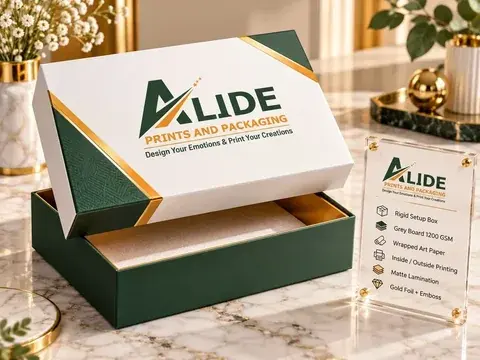
A box, card and contents should be checked together before bulk assembly. Confirm what each supplier is providing, which items are branded, who packs them and whether individual recipients need different versions. Use an appropriate insert or sleeve only where it helps the presentation and handling. If the kits will be dispatched rather than handed over, review a suitable shipping outer separately. Personalisation and address data should be checked and shared through an agreed process with clear version control.
Send one coordinated enquiry
Include the recipient group, approximate quantity, desired contents, bag or box preference, artwork status, budget direction if available and destination PIN code. State any device dimensions, carrying requirement or date that matters to the programme. Ask for sample arrangements and lead responsibilities to be clear in the quote. Alide can discuss jute bags, backpacks, pens and corporate gift boxes around the complete kit, while final models, materials, pricing and timing are confirmed for the actual order.
Turn the guide into a clearer brief.
Share the format, quantity, artwork status, intended use and destination PIN. Material suitability, pricing and schedule are confirmed in the quotation.
Discuss your requirement